

 Home
Home

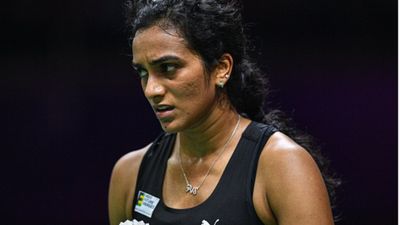
PV Sindhu expressed frustration over the demanding schedule at the Asian Games badminton competition.
ADVERTISEMENT
The Indian shuttler was required to compete in three singles matches within the span of 24 hours, which she felt was unfair and physically taxing. Sindhu highlighted that the main issue was the lack of recovery time rather than mental preparation, emphasising that tired legs affect her performance seriously even on her best days. Despite these challenges, she avoided directly blaming the schedule for her quarterfinal exit but suggested that better planning could have helped.
Sindhu's matches were tightly scheduled, with her second-round game on Saturday afternoon and her third-round match extending past midnight. Just hours later, she had to play her quarterfinal match against China's Chen Yufei, which she lost. The strain of playing consecutive matches with minimal rest was evident, affecting her overall performance during the tournament.
Her concerns about scheduling are shared by fellow Indian player Unnati Hooda, who also faced a similarly packed match timetable and expressed dissatisfaction. However, like Sindhu, Hooda did not place blame solely on the scheduling for her exit. The situation illustrates the pressure athletes face during high-level competitions where recovery time is crucial for optimum performance.
Organisers might consider these concerns to improve future scheduling and provide athletes with adequate rest between matches ensuring better competition quality and player well-being. Managing match times effectively could enhance athletes’ recovery and reduce injury risks while maintaining the excitement of the tournament.
ADVERTISEMENT