



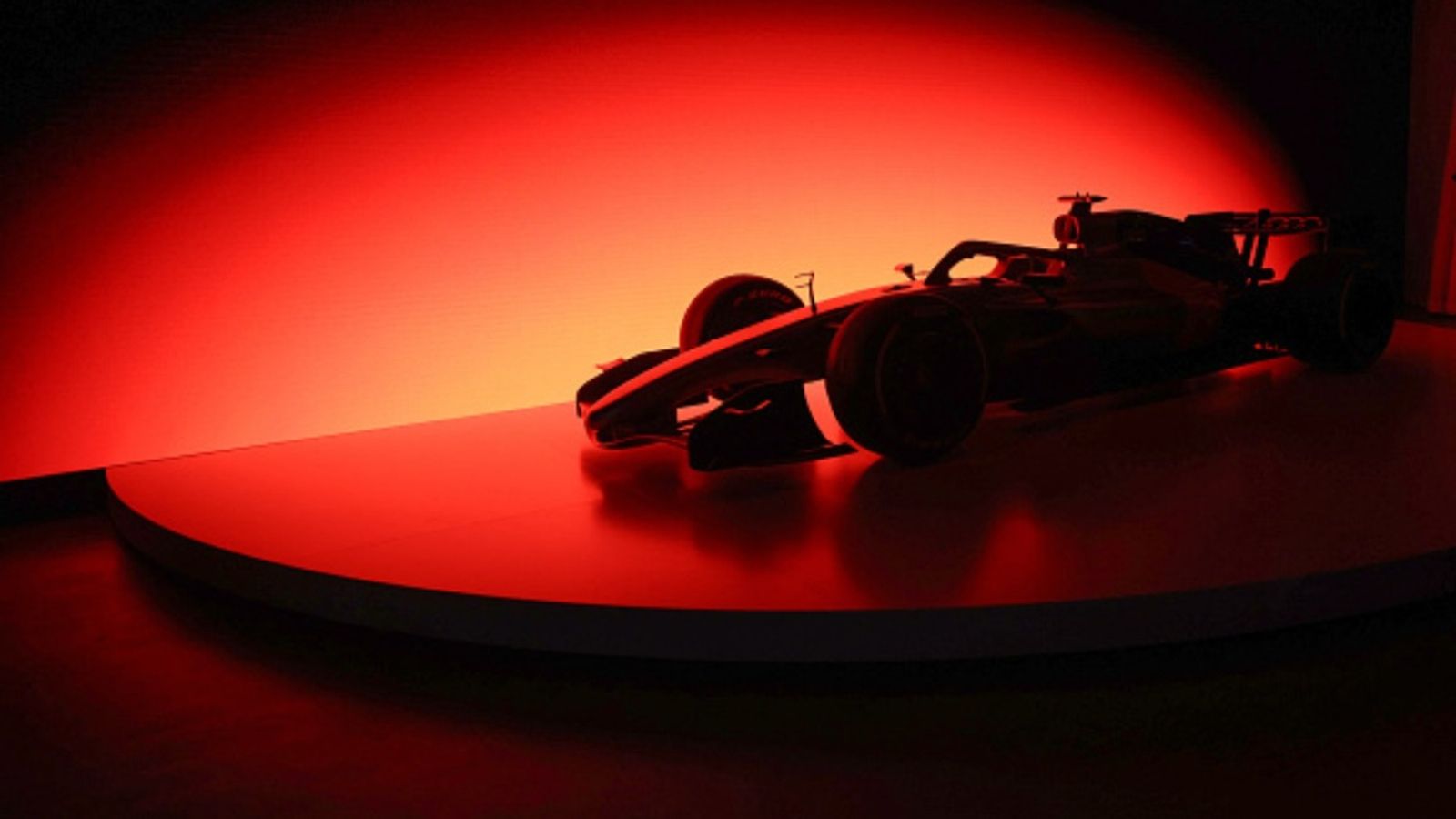
Formula 1 is set to enter one of its most transformative phases in decades when the 2026 regulations come into force. Designed to improve racing, enhance sustainability, and future-proof the sport, the new rules will fundamentally reshape how F1 cars look, drive, and compete. With teams already deep into development, here is a complete breakdown of what will change in Formula 1’s new car era.
Smaller, more agile cars
One of the most noticeable changes in 2026 will be the reduction in car size. The wheelbase will be shortened by 200mm, making cars more compact and agile. This move aims to improve racing dynamics, particularly on tighter circuits, and reduce the difficulty drivers currently face when following closely through corners.
Active aerodynamics takes center stage
For the first time in modern Formula 1, active aerodynamics will play a central role. Both the front and rear wings will feature movable elements that adjust throughout the lap to balance drag and downforce.
This system is designed to reduce aerodynamic wake, improve straight-line efficiency, and allow cars to follow each other more closely without relying on artificial drag-reduction systems.
Major safety enhancements
Safety remains a core focus of the 2026 regulations. The front impact structure will be redesigned for improved crash absorption, while the side impact structures, roll hoop, and survival cell will all be strengthened.
A new safety light integrated into the mirrors will also improve visibility during wet or low-light conditions, offering clearer signals to drivers behind.
Power unit revolution without increasing capacity
The 1.6-litre turbo hybrid engine format will remain, but its philosophy will change dramatically. Electric motor output will triple, with electrical and combustion power contributing equally to total performance.
The complex heat energy recovery system will be removed, simplifying power units while reducing costs and improving reliability.
Reduced downforce and new floor concepts
To combat dirty air and promote closer racing, overall downforce levels will be reduced. Long ground-effect tunnels will be removed in favor of flatter floors and extended diffusers. This approach lowers sensitivity to turbulent airflow while maintaining sufficient grip for high-speed corners.
Fully sustainable fuel
Fossil fuels will be completely phased out in 2026. Cars will run on advanced sustainable fuel, significantly reducing emissions without compromising performance. This shift aligns Formula 1 with global sustainability goals while maintaining the sport’s competitive intensity.
Boost, overtake mode, and recharge control
Drivers will gain greater control over energy deployment. A new Boost function allows maximum power to be deployed on demand at any point during the lap.
An overtake mode will provide extra top-end power and increased recharge allowance when running within one second of a car ahead.
Recharge systems will also feature more advanced controls, enabling drivers to strategically manage energy recovery and deployment during races.