


The International Olympic Committee (IOC) has expressed strong disappointment over fresh controversies surrounding the Indian Olympic Association (IOA) electoral process, stating that the disputes are negatively affecting the Olympic Movement's operations and reputation in India. The warning comes amid questions over the recent Sportspersons of Outstanding Merit (SOM) elections and the subsequent ratification of results by the IOA Athletes’ Commission.
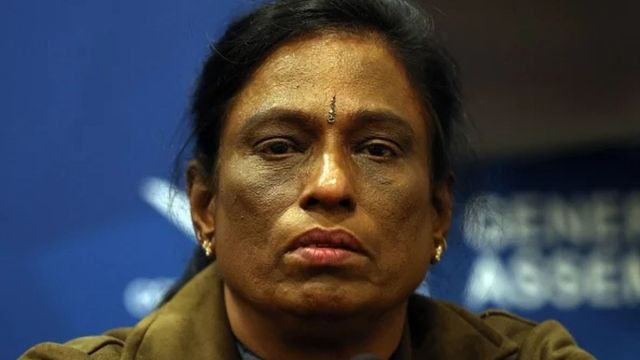
On 9 November 2026, the SOM elections saw four male representatives, Olympic medallists Gagan Narang, Yogeshwar Dutt and Vijender Singh, along with former table tennis player Kamlesh Mehta, elected unopposed after several candidates withdrew. In the women’s category, Anju Bobby George topped the poll with 53 votes, followed by Rani Rampal (50), Dola Banerjee (45) and Saina Nehwal (43). Incumbent IOA president PT Usha finished fifth with 40 votes out of 80 cast, with Anitha Paul Durai receiving six.
IOC warns of reputational harm as IOA election disputes intensify after PT Usha's loss
The eight elected SOMs gain membership of the IOA General Assembly and eligibility to contest the Executive Council elections scheduled for 5 December. Within hours of the results, the Athletes’ Commission held a virtual meeting and recorded its “confirmation, adoption and ratification” of the independent election process. The minutes show the commission acknowledged Article 3.7 of the IOA constitution, which provides that the Athletes’ Commission selects the eight SOMs, which the General Assembly then ratifies.
Instead, the process followed recently notified SOM Rules allowing election from an 80-member roster prepared by the electoral officer. Critics note that Article 32 of the constitution prioritises its provisions over rules or bye-laws in cases of contradiction. Olympic gold medallist Abhinav Bindra had earlier written to IOA president PT Usha and CEO Raghuram Iyer seeking clarification on this apparent inconsistency. He later made the letter public after media references, stating that while he received an indication of which rules were being followed, the constitutional question remained unanswered.
Bindra stated the need for greater clarity and transparency in the interest of Indian sport. Additional concerns include allegations of irregularities in the electoral roster. Former boxer Manoj Kumar, a Commonwealth Games gold medallist, claimed his name appeared in a draft list but was later removed. Similar claims were made regarding former volleyball player Sukhpal Singh. PT Usha has alleged fraud and code-of-conduct breaches, including coordinated campaigning, and has approached the IOC seeking an independent examination. She has also sought intervention to ensure fairness. In its response, the IOC said it was “very disappointed” that issues and disputes had resurfaced despite efforts to strengthen IOA governance in line with the Olympic Charter and principles of good governance.
It urged the IOA and the electoral officer to conduct the remaining elections in full compliance with the Charter, the IOA constitution and applicable rules, in a free and fair manner without external interference. The timing is sensitive, as India prepares a presentation in its bid to host the 2036 Olympic Games. The developments have drawn attention to ongoing challenges in sports administration in India. The December elections will determine the leadership for the 2026-2030 term, and the integrity of the process remains under scrutiny from both domestic stakeholders and the international Olympic community.
ALSO READ: PT Usha seeks IOC probe after losing SOM vote; second-term hopes hit