


 Home
Home

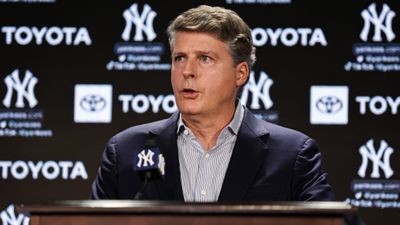
A significant shift could be on the horizon for the New York Yankees, as owner Hal Steinbrenner carefully evaluates whether to introduce a new alternate uniform into the team’s iconic setup. The decision, while seemingly aesthetic, carries deeper implications for tradition, branding, and fan sentiment.
ADVERTISEMENT
A break from tradition under consideration
The Yankees have long been synonymous with consistency, maintaining one of the most recognizable looks in professional sports. However, Steinbrenner’s recent openness to change has brought the possibility of alternate jerseys into serious discussion.
According to reports, the organization has already approved a navy blue batting practice top—similar to their road spring training gear—for potential in-game use. The final call now rests with Hal Steinbrenner and the front office, who are weighing multiple factors before making a move.
Key factors driving the decision
The New York Yankees are approaching the decision strategically rather than emotionally. Economic impact, frequency of use, and fan reception are all expected to play a decisive role.
The front office is mindful that any change to the uniform policy must align with both the franchise’s financial goals and its deeply rooted identity. With a global fanbase and one of the most valuable brands in sports, even minor alterations are treated with caution.
Players voice their preference
Interestingly, the conversation gained traction after players reportedly approached team officials about the possibility of wearing alternate jerseys. While open to change, the players have expressed a clear boundary—preserving the iconic home pinstripes.
Their preference suggests that any alternate uniform would likely be reserved for road games, allowing the team to experiment without compromising its historic home identity.
A history of limited experiments
Although the Yankees have occasionally worn special uniforms—such as during Players’ Weekend or commemorative events—none have ever been permanently integrated into the rotation.
The franchise remains unique in several ways, including its decision to exclude player names from jerseys and its absence from the City Connect program. These traditions have long defined the New York Yankees’ brand, making any update a carefully measured step.
As discussions continue, Hal Steinbrenner’s deliberation reflects the balance between innovation and legacy. With the groundwork already laid, the Yankees appear closer than ever to embracing change—yet only on their own terms.
ADVERTISEMENT