

 Home
Home

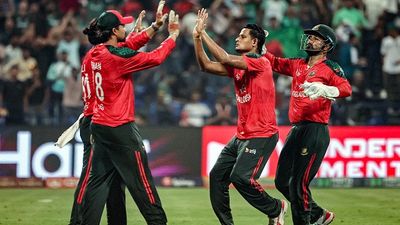
Despite their controversial T20 World Cup 2026 exit, Bangladesh Cricket Board (BCB) has officially escalated its dispute with the International Cricket Council (ICC) regarding the venue change of their matches. As per a report by The Daily star, in a formal communication, the BCB reiterated its firm stance on relocating its fixtures out of India, specifically requesting that the matter be referred to the ICC’s independent Dispute Resolution Committee (DRC). This move follows a report by The Times of India and confirmation from a BCB official to The Daily Star that a second letter has been sent to trigger this arbitration process.
ADVERTISEMENT
BCB wants ICC's independent Dispute Resolution Committee to deal T20 World Cup issue
The DRC serves as an independent body designed to settle high-level conflicts between the ICC and its member boards when internal negotiations reach a stalemate. In this instance, the committee is being called upon to resolve the impasse created by the BCB’s proposal to move their matches to Sri Lanka. Recourse to the DRC typically occurs only after all other administrative avenues have been exhausted, highlighting the severity of the disagreement between the two governing bodies.
ALSO READ: Suryakumar was the reason behind Gill's ouster from T20 World Cup, ex-India star's big claim
This escalation follows the ICC’s recent decision to reject the BCB’s request and maintain the existing tournament schedule in India. Following a board meeting on Wednesday, the ICC took a firm stance by issuing a 24-hour deadline for the BCB to confirm, after consulting with the Bangladesh government, whether the national team will travel to India for the tournament. Later, Bangladesh's interim government announced that they are boycotting T20 World Cup and won't travel to India to play T20 World Cup. The BCB’s push for independent arbitration suggests they are not yet ready to concede to that ultimatum.
Earlier on January 22, the BCB President Aminul Islam Bulbul stated that they want to participate but not willing to travel to India for the marquee tournament. Despite the ICC’s rejection of their venue-change request, Bulbul emphasized that the BCB "will keep on fighting" to secure a solution that allows the team to compete without traveling to India.
ALSO READ: 'Opposition could’ve called me back': Abhimanyu Easwaran breaks silence on bizarre Ranji Trophy dismissal
While India and Sri Lanka are set to co-host the event, the BCB are adamant in its refusal to play on Indian soil, citing ongoing security concerns.
What is ICC’s Dispute Resolution Committee?
The Dispute Resolution Committee (DRC) serves as an independent arbitration panel for international cricket, handling conflicts between the ICC and its member boards, players, or officials. Its jurisdiction is typically triggered only after all internal negotiation channels have been exhausted. Operating from London and governed by English law, the committee ensures that cases are decided by neutral experts in a confidential setting.
Rather than acting as a standard appeal body that rehears arguments, the DRC focuses on the legality and technical interpretation of ICC rules, contracts, and previous decisions. Because its verdicts are final and legally binding, they can only be challenged in court on very narrow procedural grounds.
ADVERTISEMENT