




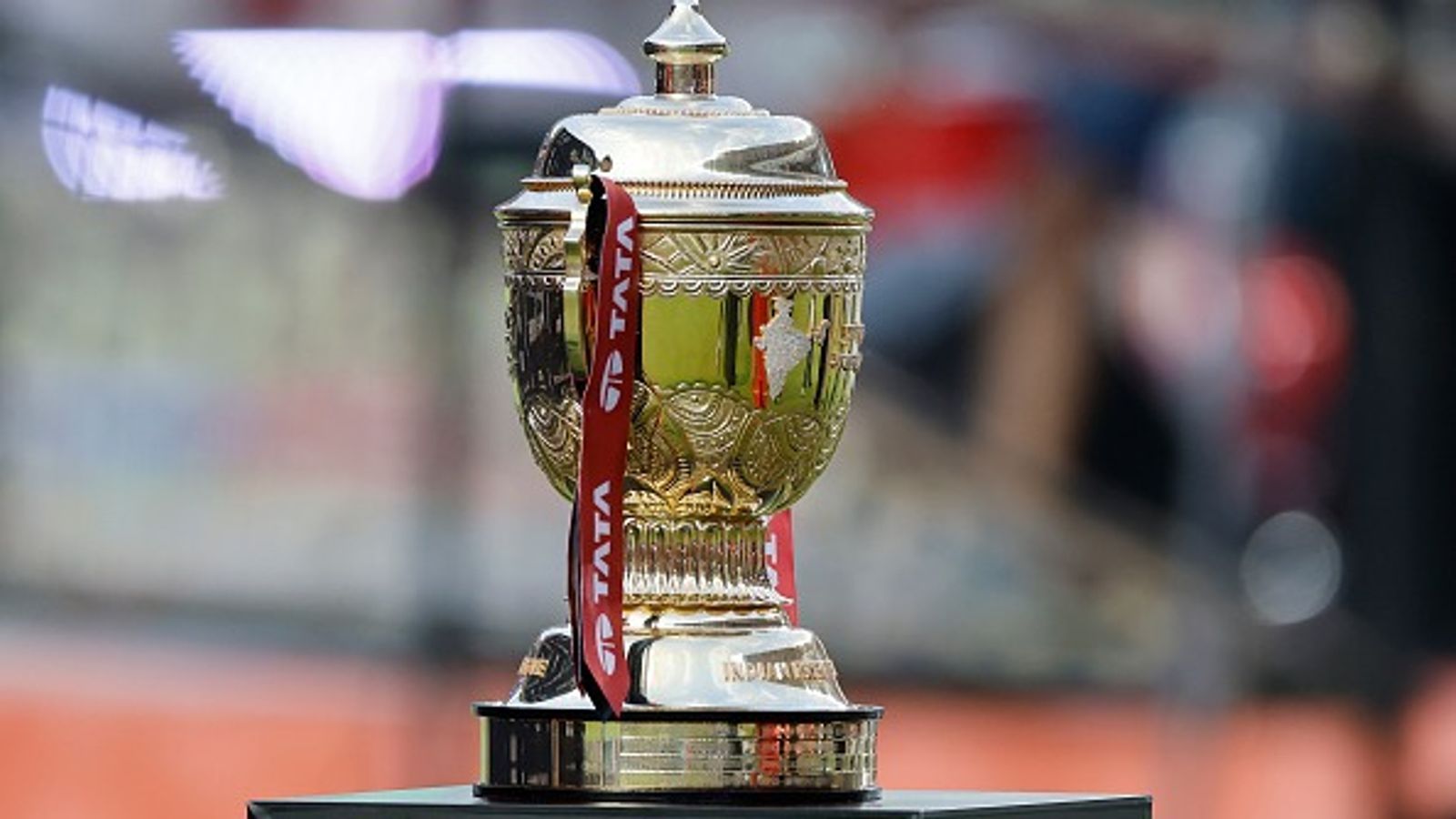
The Indian Premier League (IPL) 2026 mini-auction is scheduled to take place on December 16 in Abu Dhabi. The BCCI recently confirmed the final shortlist of players, trimming the pool to 350 cricketers who will compete to fill the 77 available slots across the ten franchises. The final list includes 240 Indian players and 110 overseas players, featuring a significant blend of emerging talent with 224 uncapped Indian players and 14 uncapped overseas players.
Let's take a look at the key rules for the IPL 2026 auction:
Purse size for every team
Each franchise has a total salary cap of Rs 125 crore to build their 25-member squad for the 2026 season. As this is a mini-auction, the amount available for spending varies greatly among the ten teams. Kolkata Knight Riders (KKR), having released high-value players like Venkatesh Iyer and Andre Russell, enter the auction with the highest remaining purse at Rs 64.3 crore. Conversely, Mumbai Indians have the lowest funds available, with only Rs 2.75 crore left to spend.
ALSO READ: Police file charge sheet against Bangladesh all-rounder in sexual assault case
Squad limit
Regarding team composition, while the maximum squad size is 25 players, a crucial regulation limits the number of overseas players that can be signed to a maximum of eight per franchise.
New salary cap rule for overseas players
A significant rule change for the IPL 2026 mini-auction introduces a salary cap for overseas players. The maximum fee an international player can receive will be the lower value of two figures: the highest retention price (which is Rs 18 crore) or the highest auction price recorded at the previous mega auction.
Given that the highest bid at the IPL 2025 mega auction was the Rs 27 crore spent by Lucknow Super Giants on Rishabh Pant, the effective maximum salary an overseas player can earn in this upcoming auction is capped at Rs 18 crore. Any amount bid and attracted by the player above this Rs 18 crore limit will be collected by the BCCI and directed towards its player development programme, ensuring financial prudence for the franchises while continuing to foster cricket talent.
Regulations against overseas player misconduct
The IPL General Council previously introduced new regulations aimed at preventing overseas players from exploiting the demand-supply imbalance, particularly in mini-auctions, to secure higher earnings.
Under these rules, any fully fit and available overseas player is mandatorily required to register for the mega auction (2025); failure to do so results in a one-year ban from the tournament. Furthermore, a stricter penalty applies to players who participate in the mega auction, are successfully sold, but then withdraw from the tournament before the season begins: they face a ban from the next two subsequent mini-auctions.
This regulation has been enforced, notably impacting England captain Harry Brook, who is ineligible for both this and the following mini-auction due to having withdrawn from the tournament after being purchased in the mega auction.
No Right to Match (RTM) Card in the mini-auction
A key distinction of the mini-auction format is the absence of the Right to Match (RTM) card. Unlike the mega auction, where teams can use an RTM card to retain a released player by matching the highest bid from a rival franchise, this option is not available. Consequently, the only way for a team to reacquire a player they have released is by actively bidding against other teams and submitting the highest bid price.