




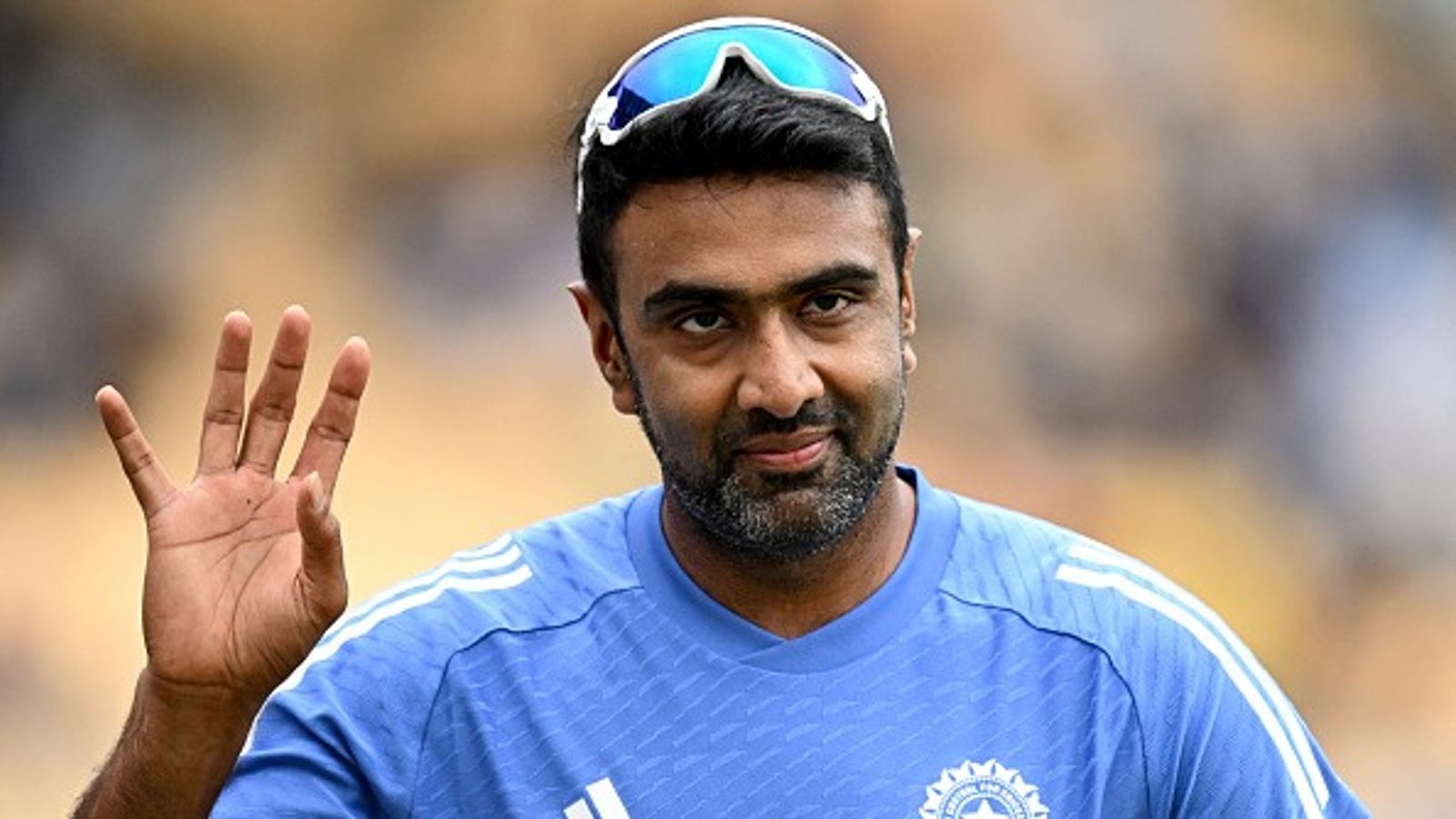
India's legendary spinner Ravichandran Ashwin has come forward with a staunch, player-centric defense of Arshdeep Singh, critiquing the recent selection decisions that saw the left-armer sidelined. Ashwin questioned the logic behind dropping Arshdeep for the first two ODIs against New Zealand, only to reinstate him for the third, noting that such inconsistent 'musical chairs' can severely undermine a bowler's confidence and disrupt their natural rhythm.
R Ashwin calls Arshdeep Singh's exclusion 'unfair'
Speaking candidly from his vantage point as a seasoned professional, Ashwin emphasised that a player's track record should earn them a certain level of security. He argued that Arshdeep’s past performances and proven impact with the ball should have guaranteed him continuity in the starting eleven, rather than leaving him to navigate the uncertainty of sporadic selection calls.
“He has performed every time you have given him the ball. Give him the place he deserves. Allow him to walk into the eleven with his head held high,” Ashwin said on his Youtube channel.
ALSO READ: ICC commits major goof up on Virat Kohli's no.1 ODI ranking, mends it after fans' outrage
Ravichandran Ashwin expressed significant concern regarding the timing of Arshdeep Singh's return to the lineup, suggesting that the move lacked strategic depth. He questioned the logic of handing a player a single, isolated opportunity in the third match after they had already been forced to sit out the first two games of the series.
Why did he not play the first two ODIs vs NZ?: Ashwin
Ashwin argued that this "one-off" approach provides little value to the player's development or the team's long-term stability. From his perspective, such sporadic inclusion creates unnecessary pressure, making it difficult for a bowler to perform at their peak without the security of a consistent run in the side.
“Now what is the use of him playing the third ODI? Why did he not play the first two ODIs. What will that do to his confidence?” he questioned.
Drawing from his extensive personal experience at the highest level of the game, Ashwin highlighted the unique psychological challenges faced by bowlers. He pointed out that a bowler's confidence is often far more fragile than that of a batter, as their rhythm is heavily dependent on consistent match time and the trust of the team management.
Ashwin explained that while a batter might find form through a single good knock, a bowler requires a sustained period of overs to refine their craft. When a player is frequently rotated in and out of the squad, it creates an environment of uncertainty that can easily derail the mental focus required to perform under pressure.
“Cricket is a game of confidence. The next time he plays, he will be rusty. Whatever you say, this keeps happening with bowlers. It never happens with batsmen,” Ashwin further stated.
Ashwin dismissed the tendency to compare current coaching regimes or look back at historical selection patterns, asserting that such comparisons are largely irrelevant to the matter at hand. He argued that the situation should not be viewed through the lens of past management styles, but rather through the immediate impact these decisions have on a player's career.
“This is not about how much he played under Rahul bhai and how much he is playing now. It is about what must be going through his head right now. I have been in this situation myself, and so I know it is quite unfair. And that is why I always fight for Arshdeep,” the 39-year-old concluded.