




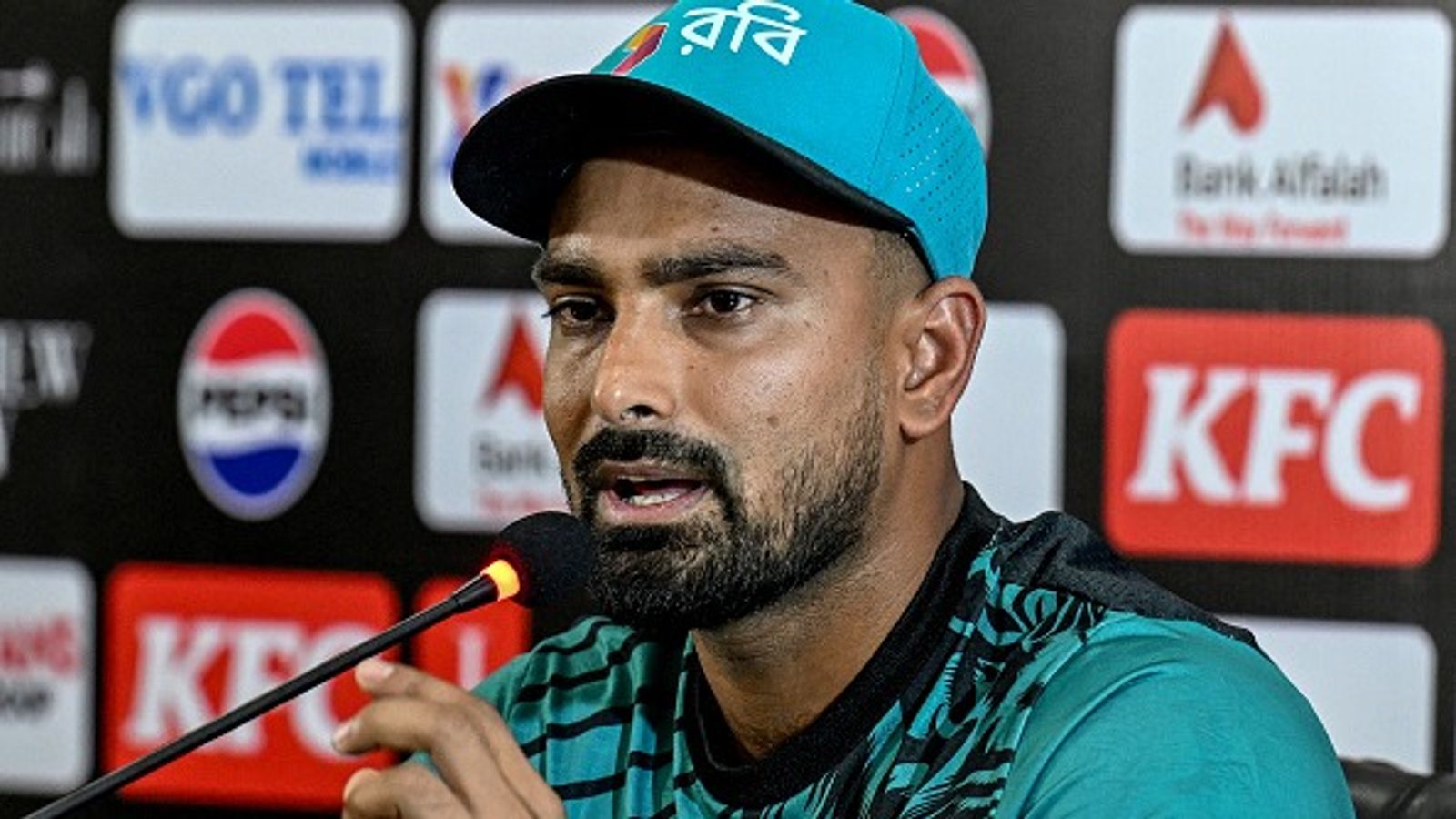
Bangladesh T20I skipper Litton Das has once again sparked controversy surrounding the country's decision to pull out of the T20 World Cup in India. While the withdrawal was earlier associated with security-related concerns, Litton's recent comments appear to contradict earlier claims that the decision had been taken jointly by the players and the Bangladesh Cricket Board (BCB).
Litton Das sparks controversy
Litton's remarks have once again put the spotlight on one of the most heated decisions in Bangladesh cricket. The International Cricket Council (ICC) reportedly found no substantial security risk during the tournament, raising new questions over the reasons behind Bangladesh's withdrawal.
In a conversation with Bangladeshi outlet Prothom Alo, Litton Das raised questions on the withdrawal and made a comparison of Bangladesh's playing experiences in other nations like Pakistan where things are much worse in terms of security.
“They told us there was no safety in that country (India). We told them, we have played in Pakistan too. They used to stand outside the room with guns. What can be more dangerous than that?” said Das.
“If we can play in Pakistan, why not India,” added Litton.
Former interim sports advisor Asif Nazrul had previously claimed that the decision to pull out of the tournament was taken jointly by Bangladesh Cricket Board (BCB) and the players. However, Litton Das has now cast doubts on that version of story, claiming that the players were not involved in the decision making and that their views may not have been evenly represented when the final decision was made.
Why did Bangladesh pull out of ICC T20 World Cup?
Originally, Bangladesh was set to take part in the T20 World Cup which was co-hosted by India and Sri Lanka. However, BCB chose not play their games in India, citing security concerns amid the political tensions between the two countries at that time.
In reply, BCB pushed for a hybrid model, asking to move Bangladesh's games to Sri Lanka instead of being played in India. This proposal was presented in front of the ICC as a compromise solution that would still make Bangladesh stay in the competition.
The ICC's own examination found no security threat to Bangladesh's participation in India and declined the request to move games elsewhere. With no agreement reached, the ICC asked Bangladesh to either play under the existing arrangements or pull out of the tournament.
The BCB eventually pulled out, leading to Scotland being brought in as replacement to maintain the competition schedule and format.