



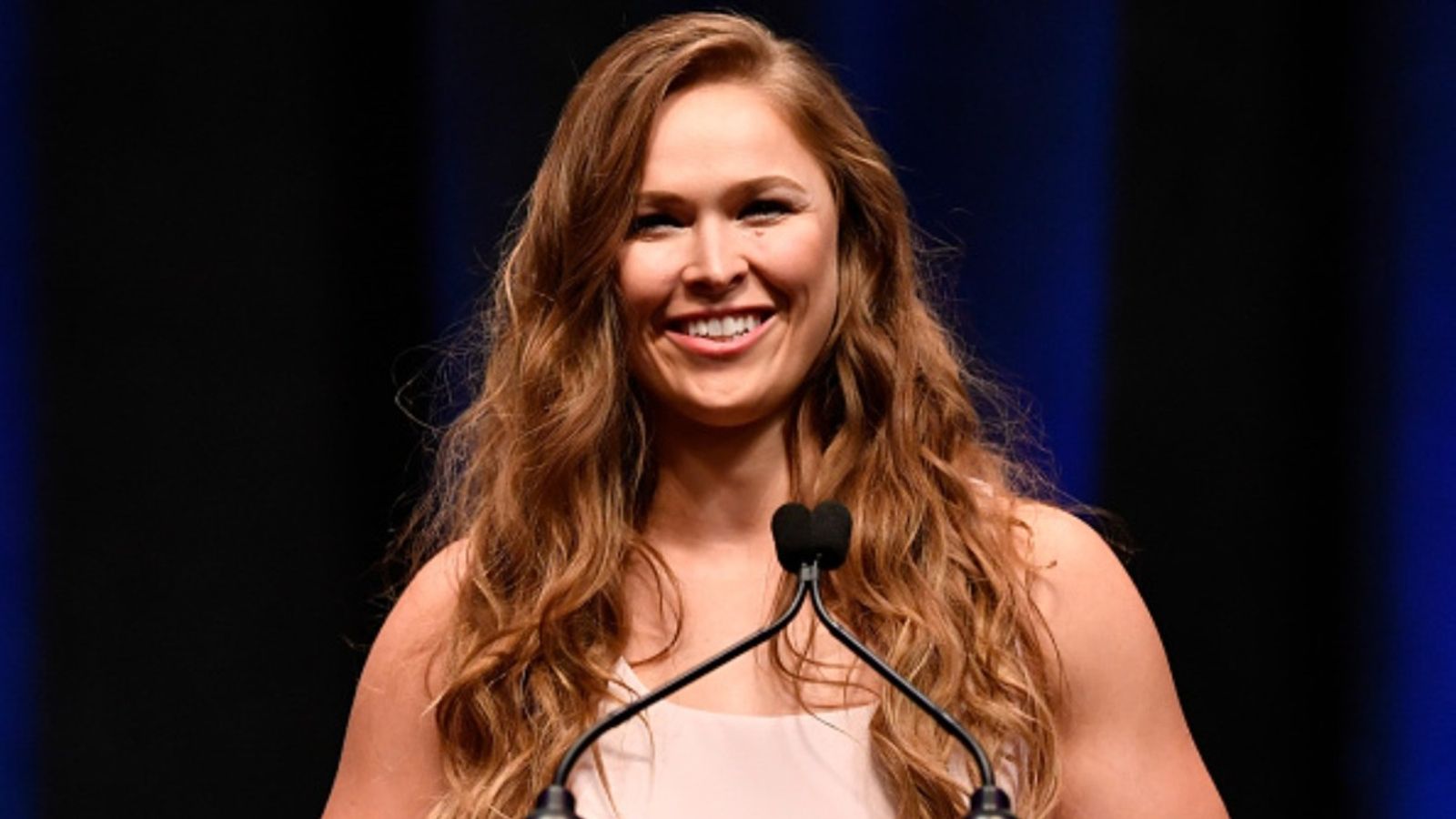
Ronda Rousey has provided fresh insight into why negotiations for her anticipated fight with Gina Carano collapsed, revealing that the UFC declined to offer a larger guaranteed payout despite her drawing power.
Speaking on The Jim Rome Show, Rousey explained that the decision ultimately stemmed from corporate strategy rather than personal friction. While fans speculated that UFC president Dana White may have been responsible, Rousey clarified that the call came from higher up the chain.
A corporate decision, not a personal one
According to Rousey, the decision was made by TKO, the UFC’s parent company. As a publicly traded entity overseeing multiple business interests, the organization was hesitant to establish a financial benchmark that could impact future negotiations across its roster.
“They didn’t want to set a precedent of giving me the guaranteed money that I deserve because once I raise that tide, it lifts all the boats,” Rousey told The Jim Rome Show. “It’s in [TKO’s] best interest actually not to put on the best fights possible, but to spend as little money possible so that they can keep it.”
Her remarks suggest that the dispute was rooted in long-term financial positioning rather than the viability of the fight itself.
Streaming shift and contract complications
The UFC’s transition toward a streaming-based broadcast model added another layer of complexity. While alternative bonus structures could have been explored, Ronda Rousey implied that the promotion was unwilling to restructure guarantees in a way that aligned with her expectations.
The broader concern, she indicated, was about maintaining internal pay balance and avoiding ripple effects across other contracts.
Exploring new opportunities
With negotiations stalled and financial terms unresolved, Rousey made it clear that continuing discussions no longer made business sense for her career.
“It no longer made sense for me to go over there because they didn’t want to us the money that we deserve.”
Her decision to look elsewhere underscores a pivotal moment in women’s combat sports, as high-profile fighters increasingly weigh financial security against promotional legacy.
While the highly anticipated clash with Carano will now move forward outside the UFC framework, Ronda Rousey’s comments provide rare transparency into the financial mechanics that shape blockbuster fights behind the scenes.