

 Home
Home
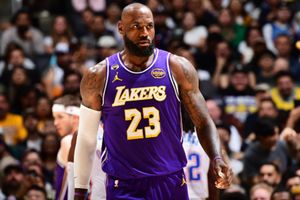
LA Lakers are once again facing hard questions about roster construction — and this time, the spotlight is firmly on their draft strategy. With limited first-round leverage and few homegrown contributors making an impact, calls are growing louder for the franchise to adopt a model that has quietly fueled sustained success in Boston.
Draft development remains a concern
Under general manager Rob Pelinka, the Lakers have struggled to turn draft selections into reliable rotation pieces. In the 2025-26 season, not a single drafted player is averaging even 12.0 minutes per game. Austin Reaves stands as a rare bright spot — an undrafted talent the team successfully retained and developed.
With LA Lakers projected to hold the No. 21 overall pick in the 2026 NBA Draft, expectations must be recalibrated. Elite lottery prospects may be out of reach, but recent history proves that meaningful contributors can still be found in the mid-to-late first round.
Boston Celtics’ proven blueprint
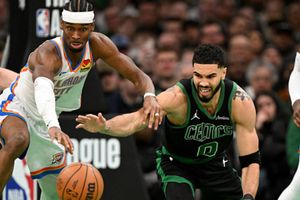
Boston Celtics have built a sustainable contender despite frequently drafting in the 20s. Rather than chasing star upside alone, Boston has prioritized skill fit, defensive versatility, and readiness to contribute winning minutes.
A prime example is Payton Pritchard, selected No. 26 overall in the 2020 NBA Draft. Now the reigning Sixth Man of the Year, Pritchard has become a vital piece of Boston’s rotation.
More recently, the Celtics used the No. 28 pick to select Hugo Gonzalez. Although Gonzalez has faced offensive growing pains in his rookie season, he has delivered valuable defensive minutes — particularly crucial after the team lost depth during the offseason.
A clear path forward for Los Angeles
For LA Lakers, the message is clear: maximize value, not draft position. With a likely mid-first-round selection in 2026, the front office must prioritize a high-level defender capable of contributing immediately.
Roster balance has become increasingly vital in a Western Conference defined by depth and versatility. Boston Celtics’ blueprint shows that drafting in the 20s is not a limitation — it’s an opportunity for smart scouting and long-term vision.
If Los Angeles hopes to build a sustainable contender rather than relying solely on star power, mirroring Boston’s disciplined draft approach could be the strategic shift they urgently need.
ADVERTISEMENT