


 Home
Home

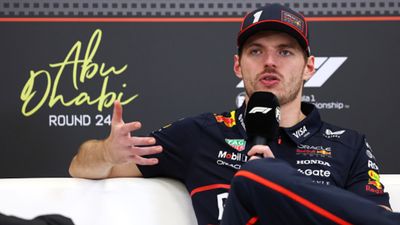
Red Bull Racing’s ambitious decision to produce its own power unit for the 2026 season is already drawing scrutiny after a difficult outing in Japan.
ADVERTISEMENT
The shift marks a significant technical transition for the Milton Keynes-based outfit, but early signs suggest the move has not yet delivered the desired performance.
For Max Verstappen, the impact has been immediate. The Dutchman, long accustomed to competing at the front, now finds himself battling deeper in the pack as Red Bull adjust to the demands of the new regulations.
Performance dip highlights cost of transition
The Japanese Grand Prix weekend exposed the team’s current limitations. Verstappen, who had previously dominated at Suzuka, was unable to replicate past success and instead faced a more challenging path through the field.
Despite recovering positions early in the race, the Red Bull driver struggled to make further progress, underlining a lack of race pace compared to rivals.
The difficulties come at a time when other teams appear to have adapted more effectively to the regulation changes.
This contrast has intensified focus on Red Bull’s in-house power unit project, which represents both a long-term investment and a short-term risk.
While the initiative offers greater control over performance in the future, its early implementation phase appears to be costing the team valuable ground.
Max Verstappen acknowledges current reality
Reflecting on the situation, Verstappen conceded that Red Bull are not operating at their expected level and face a different kind of fight this season.
“Yeah, I mean it’s not something negative [to be] compared to Alpine because they’re doing a good job. It’s just for us, of course it’s not where we’d like to be, but at the moment I feel we’re a bit more in that midfield battle than up at the front.”
Long road ahead for Red Bull’s engine project
Max Verstappen's admission highlights the scale of the challenge ahead. Having set the benchmark in previous seasons, Red Bull are now tasked with refining a completely new package while keeping pace with competitors who have started the cycle strongly.
While it remains early in the season, the Japan setback has placed the spotlight firmly on Red Bull’s 2026 gamble—one that could define their competitive trajectory in this new era of Formula 1.
ADVERTISEMENT