





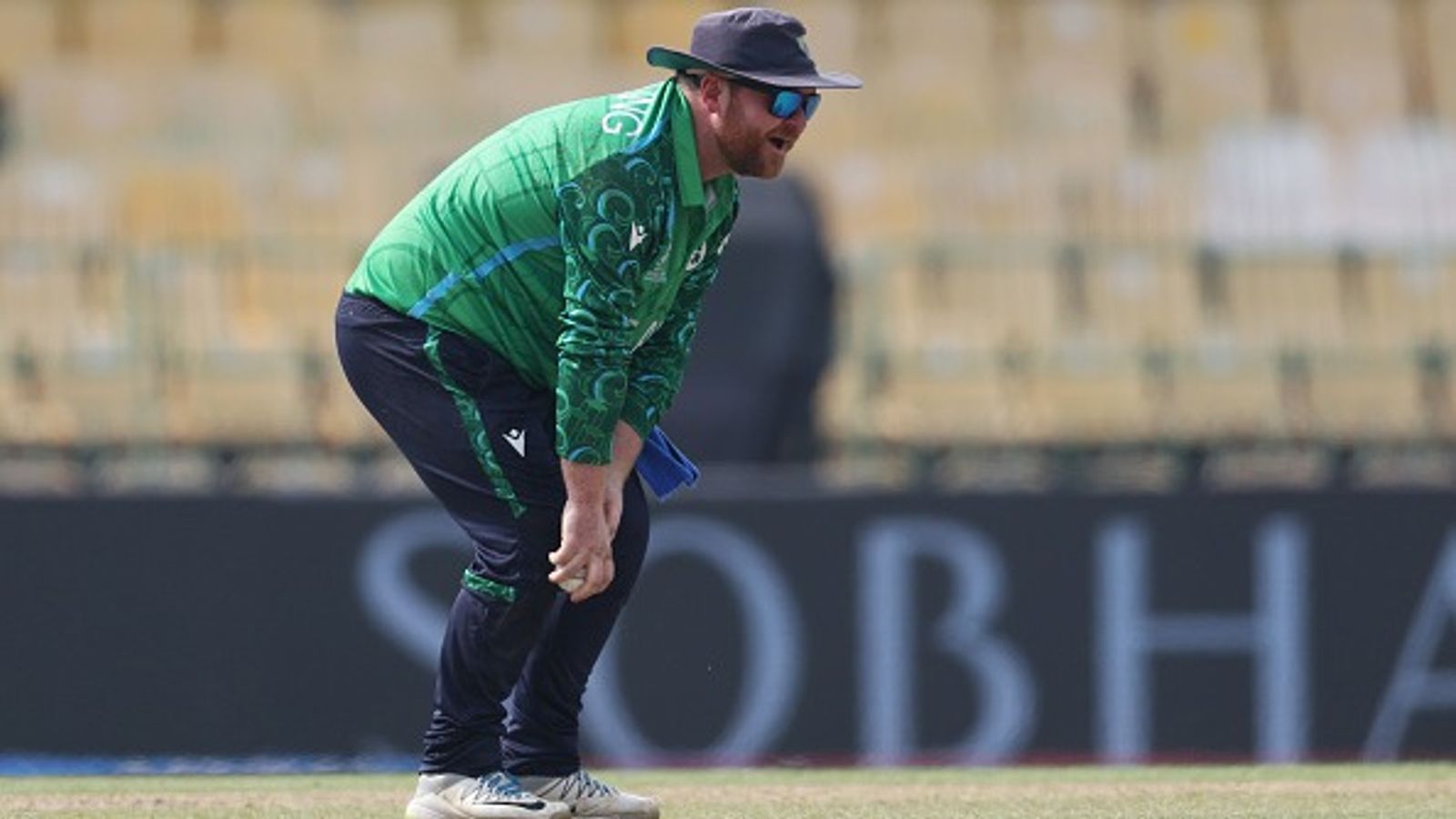
Ireland will be hosting Afghanistan for a five-match ODI series which is slated to kick off from August 7. But right before the series. But Cricket Ireland’s choice to stage this ODI series against Afghanistan has reportedly created friction with the England and Wales Cricket Board, placing future men's fixtures between the neighboring nations in doubt. The tour opens in Northern Ireland with a pair of fixtures at Bready before shifting to Stormont for the final three matches. This leg represents half of a reciprocal arrangement that will also see Ireland head to the UAE next March to contest a Test, three ODIs, and three T20Is against the Afghan side.
Why Ireland’s ODI series vs Afghanistan won't sit well with ECB?
The source of tension stems from the ECB's strict policy against engaging in bilateral cricket with Afghanistan, driven by the Taliban regime's systemic restrictions on female sports and human rights—a stance fully endorsed by the UK government. ECB chairman Richard Thompson has publicly condemned the situation in Afghanistan as "gender apartheid," creating a clear diplomatic rift between the governing bodies over how to approach fixtures with the nation.
ALSO READ: Pakistan's WC-winner breaks silence on IPL 2027 participation after securing UK citizenship
While the ECB has stopped short of issuing formal warnings or scrapping scheduled events, the diplomatic strain carries heavy financial implications for Cricket Ireland. Fixtures against England remain Ireland's most lucrative source of broadcasting, sponsorship, and gate revenues, making any potential disruption to future bilateral tours a massive commercial risk.
The tradition of England hosting Ireland for single Test matches at Lord's—as seen in 2019 and 2023 ahead of major summer series—has effectively come to an end. For the upcoming Ashes summer, English administrators have opted to stage a warm-up Test against Bangladesh instead. While the sides met last September for three T20Is on Irish soil with a second-string England squad, no additional men's bilateral fixtures currently occupy the immediate international schedule.
Playing Afghanistan could cut Ireland off from lucrative ECB fixtures
Looking further ahead, England have tentatively agreed to a three-match T20I tour of Ireland in 2029, though the commitment remains unconfirmed and open to adjustment. Any further strain on board-to-board relations jeopardizes these crucial scheduling opportunities with Ireland's closest and most lucrative opposition. Friction was already mounting prior to the Afghanistan series, highlighted by the ECB turning down a recent invite to join Ireland, Scotland, the Netherlands, and Italy in a proposed Euro Nations Cup, pointing to an over-congested international calendar.
ALSO READ: India's squad beefed up with four uncapped players ahead of Test series against Sri Lanka, Know why
England’s policy regarding Afghanistan strictly separates multi-team ICC events from bilateral tours. While the ECB authorised the national team to face Afghanistan during the 2025 Champions Trophy after a dedicated board review, overriding a formal petition from over 160 British parliamentarians demanding a boycott, it maintains a firm ban on standalone series. Concurrently, the English board has extended support to Afghanistan’s displaced female athletes, who fled their homeland following the Taliban's 2021 takeover, notably hosting members of the Afghan Refugee Women's squad and inviting them to attend the Women’s T20 World Cup final at Lord’s.
Despite failing to maintain an operational women’s program, Afghanistan retains its status as a full ICC member nation. This setup has created a divide within global cricket governance: while Australia, New Zealand, and South Africa join England in refusing bilateral engagements with the Afghan side, Cricket Ireland has aligned with several Asian boards, the West Indies, and Zimbabwe in continuing regular bilateral fixtures.
Cricket Ireland's internal path to hosting this series was far from seamless, marked by non-unanimous board approval and an option for individual players to opt out over ethical considerations. Although the scheduled matches against Afghanistan are proceeding as planned, Cricket Ireland faces the lingering strategic risk that maintaining these fixtures could endanger future high-value tours against England.