





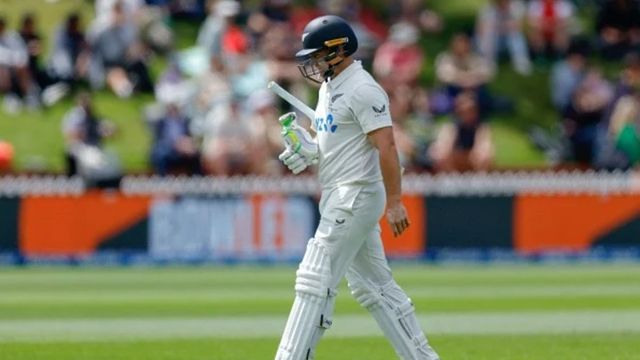
Tom Latham endured a nightmare start to the first Test against India at the Basin Reserve on Thursday, lasting just two deliveries before being dismissed for a duck. Following that, the New Zealand captain has now equalised an unwanted record previously held by former India opener Virender Sehwag. India captain Shubman Gill won the toss and elected to bowl on a lively surface. Jasprit Bumrah, opening the attack, needed only three balls of the first over to deliver the breakthrough.
After two probing deliveries that moved away, Bumrah produced a sharp inswinger that crashed into Latham’s off stump, sending the New Zealand skipper back to the pavilion without scoring. The dismissal was Latham’s 15th duck as a Test opener, drawing him level with Sehwag on the all-time list. The pair now sit jointly fourth. West Indies opener Kraigg Brathwaite leads the unwanted rankings with 19 ducks in the role, followed by former England captain Mike Atherton on 17 and Sri Lanka’s Marvan Atapattu on 16.
Tom Latham’s early exit equals unwanted record as India strike first blow in Wellington; joins Virender Sehwag
For Latham, the early failure marked a difficult beginning to his captaincy campaign against India in home conditions. The left-handed opener has been a mainstay of New Zealand’s batting for more than a decade, known for his solid technique and ability to occupy the crease. Yet ducks have punctuated his career at the top of the order, and this latest one arrived at the most visible moment possible as it came in the opening over of a high-profile bilateral series. India’s early success set an aggressive tone while the bowlers shone to dominate the opponents in attack. The visitors arrived in New Zealand seeking to assert dominance after mixed recent form in Test cricket, while the hosts, under Latham’s leadership, looked to build on their reputation as a difficult side to beat at home.
The Basin Reserve has often rewarded patient batting and accurate bowling; Bumrah’s early intervention suggested the pitch offered enough movement to keep the contest interesting. Latham’s record against India has been respectable without being outstanding. Across previous encounters, he has accumulated useful runs but has also experienced lean patches. This two-ball exit extended a modest personal history against the Indian attack and handed the visitors immediate momentum on the first morning.
The wider list of most ducks by Test openers makes for interesting reading. Brathwaite’s 19 stands as a clear benchmark, accumulated over a long career of carrying the West Indies batting. Atherton’s 17 reflected the challenges of facing high-quality pace attacks in the 1990s, while Atapattu’s 16 came during a period when Sri Lanka’s top order faced varied conditions. Sehwag, known more for explosive strokeplay than caution, still managed 15 failures while opening, a reminder that even aggressive batters can suffer early dismissals. Latham’s arrival at the same mark underlines how longevity at the top of the order inevitably brings its share of low scores.
Beyond the personal milestone, the dismissal carried tactical significance. Losing the captain and opener so early forced New Zealand’s middle order into action sooner than planned. Henry Nicholls and the rest of the batting unit were required to steady the innings against a fired-up Indian attack that included both experienced campaigners and newer faces. For India, the early wicket validated Gill’s decision to bowl first. Bumrah’s ability to generate movement both ways continues to make him one of the most dangerous new-ball operators in world cricket. His success against Latham added another chapter to a strong personal record against New Zealand batters.
As the first session progressed, attention turned to how New Zealand would respond while managing to tackle the opponent’s attack. A score of four wickets down by lunch indicated India had capitalised further on the opening breakthrough. For Latham, the day offered little personal consolation beyond the knowledge that records of this kind are the product of many innings rather than any single failure. The two-match series remains in its infancy, and one early dismissal will not define the outcome. Latham has rebuilt innings before and will look to do so again later in the match or series.