

 Home
Home

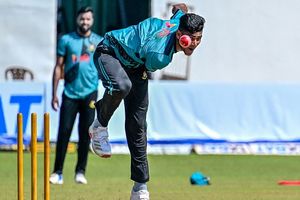
Former India captain Sunil Gavaskar says the criticism faced by Sunrisers Leeds (SRL) for signing Pakistan spinner Abrar Ahmed in The Hundred auction is understandable, given the recent history between India and Pakistan. SRL, co-owned by Kavya Maran, bought Abrar for £190,000 (around ₹2.3 crore). But the move sparked huge backlash on social media, with many questioning why an Indian-owned franchise would pick a Pakistani player, especially after the tragic Pahalgam attack last year.
Sunil Gavaskar on Abrar Ahmed Signing
For Gavaskar, the strong reaction was expected. He pointed out that the troubled history between the two countries has always influenced Indian cricket. After the 2008 Mumbai attacks, Pakistani players were banned from the IPL. Later, the 2019 Pulwama attack reminded everyone why Indian teams have avoided involving Pakistani cricketers. Gavaskar also argued that paying a Pakistani player indirectly supports their government financially, which could contribute to Indian casualties.
“The outrage over a Pakistani player being bought by an Indian franchise in The Hundred is hardly surprising. Since the Mumbai attacks in 2008, Indian franchise owners have ignored Pakistani players. Paying a Pakistani cricketer means the income tax they pay goes to their government, which buys weapons. This indirectly affects Indian lives. That’s why Indian entities avoid such signings,” Gavaskar wrote in his Mid-day column.
Gavaskar also mentioned that the BCCI had previously asked Kolkata Knight Riders to release Bangladesh pacer Mustafizur Rahman after a terrorist attack in India. He said the SRL situation shows that Indian cricket maintains a strict stance against violence that targets its citizens.
Gavaskar on why may not understand India vs Pakistan dynamic
The controversy escalated when SRL’s X handle went offline for some hours after the backlash, and coach Daniel Vettori revealed that another Pakistani spinner, Usman Tariq, was also being considered. Gavaskar was particularly critical of the franchise’s lack of sensitivity.
“Whether it is an Indian entity or an overseas subsidiary of the entity that is making the payment, if the owner is Indian, then he or she is contributing to the Indian casualties. It’s as simple as that. Daniel Vettori, the coach of the team in The Hundred who hails from New Zealand, may not understand this simple dynamic, and so may have wanted some Pakistani players in his team, but surely the owner should have had an understanding of the situation and discouraged the purchase. Is winning a tournament in a format that no other country plays in much more important than Indian lives?” Gavaskar pointed out.
ADVERTISEMENT