

 Home
Home

In an effort to modernise international cricket and curb delays, International Cricket Council (ICC) has officially rolled out a series of updated Playing Conditions that align with the latest MCC Laws of Cricket. Released through an official press statement, these revised directives apply to all men's and women's bilateral and multi-team series kicking off on or after October 1. Ongoing assignments will remain governed by existing protocols, while the new regulations are now fully accessible under the ICC site's Rules and Regulations portal.
ADVERTISEMENT
ICC drops new playing conditions across formats
The revised code establishes stricter accountability for pace of play alongside key equipment and operational adjustments. To minimise interruptions caused by poor lighting during standard red-ball matches, the ICC is trialing the use of pink balls during daytime Test encounters, provided both competing nations mutually consent prior to the toss. Additionally, the framework establishes distinct, tighter weight and size standards for cricket balls used in the women's game, while introducing direct run-penalty sanctions for batters found deliberately stalling play
Structured warnings and run penalties for wasting time
To prevent tactical time-wasting and maintain a swift tempo in men's cricket, the ICC has introduced a three-stage penalty system targeting batters who fail to take guard or be ready within the stipulated timeframe. Under the updated playing condition, an initial infraction triggers an official warning, followed by a final warning for a second delay. Should a third or subsequent offence occur, the fielding team will be immediately awarded five penalty runs, with chronic offenders running the risk of further sanctions under the ICC Code of Conduct.
Standardising Equipment: Ball specifications across Divisions
The ICC has closed a long-standing manufacturing loophole by separating equipment specifications across all levels of play. While men's cricket balls have always been produced under rigid dimensional and weight tolerances, suppliers previously manufactured a unified ball intended for both women’s and junior competitions. The updated regulations discard this shared approach, enforcing three distinct, non-overlapping size and weight limits tailored specifically for men's, women's, and junior cricket.
Defining overthrows
Targeting the Stumps vs Standard Misfields
The updated clause removes ambiguity by strictly linking overthrows to intentional throws aimed at the wickets. For a throw to be classified as an overthrow, it must be a direct attempt to hit the stumps—either to prevent batters from taking extra runs or to attempt a run-out. Unintentional errors, such as a fielder dropping the ball while attempting a stop or mishandling a relay pass to a teammate, are officially categorized as simple misfields rather than overthrows.
Determining the dead ball
Expanded Umpriring Discretion for 'Finally Settled' Balls
Match officials now hold broader authority to declare a ball dead, a change that carries significant weight during tight, high-pressure finishes. Under previous regulations, a ball was generally considered settled only when secured within the hands of the bowler or wicketkeeper. The revised rule eliminates this restriction, allowing umpires to judge the ball as finally settled based on the flow of play—even if it comes to rest elsewhere—thereby preventing opportunistic runs when action has naturally concluded.
Establishing possession for dismissals
Mandatory Control in Run-Outs and Stumpings
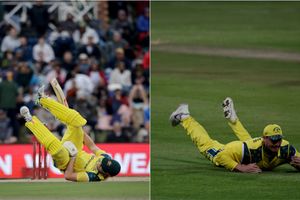
To execute a valid run-out or stumping, fielders must now demonstrate unequivocal control over the ball while dislodging the bails. Simply making contact with or brushing against the ball as it breaks the stumps is no longer sufficient to secure a dismissal. By enforcing total possession as a strict baseline, the rule ensures that momentary or accidental touches cannot be leveraged to claim a wicket.
Adapting ball selection for low visibility
Mandatory Pre-Match Protocol for Pink Balls
To minimize play stoppages caused by poor lighting conditions during daytime Test matches, teams are now permitted to opt for pink balls on an experimental basis. However, this flexibility requires early commitment: both playing nations must formally agree to the change prior to the toss, and the decision remains legally binding for the entire duration of the fixture. Captains cannot alter this choice or attempt to substitute a red ball for a pink one once match action is underway.
Rethinking late-day play dynamics
Unfinished Overs to Continue Post-Wicket
The automatic cessation of play following a wicket in the day's final over has been officially scrapped, provided weather and light remain suitable. Under the updated guidelines, fielders and incoming batters must complete the remaining deliveries of that over before stumps are drawn. This amendment eliminates artificial time savings—since unbowled deliveries would simply carry over to the following morning anyway—while preserving late-day tactical pressure and keeping the fielding side rewarded during crucial moments.
Standardising match breaks
Fixed Timelines for Short-Format Intervals
The gap between innings in T20 Internationals now follows a strict 15-minute standard duration. To protect the overall timeline of a match in the event of rain or other unexpected delays, officials retain the flexibility to shorten this interval to a minimum of 10 minutes.
Bench-to-field access
Coach Presence During Drinks Breaks
Coaching staff in 50-over and 20-over internationals have been granted direct access to their players on the field. Under the aligned regulations, a team's head coach—or an assigned representative—is formally permitted to enter the playing area during designated drinks intervals to deliver tactical instructions.
Standardising leg-side strictness
Permanent Enforcement of the Leg-Side Wide Trial
The experimental interpretation regarding leg-side deliveries has been officially written into the permanent rulebook for both limited-overs formats. Bowlers will face zero tolerance on the leg side, ensuring consistent, predictable wide calls across all white-ball international fixtures.
What Sourav Ganguly has to say on ICC's new playing conditions
Meanwhile, Sourav Ganguly, Chair of the ICC Men's Cricket Committee, highlighted that the updated Playing Conditions address key areas such as ball specifications, clearer fielding directives, and decisive measures to accelerate the tempo of play. He emphasized that these amendments were deliberately crafted to align with the evolving demands of contemporary cricket, ensuring the sport remains fast-paced and clear without compromising its fundamental integrity or structural consistency.
“There are some important changes to the Playing Conditions, including provisions relating to cricket balls, greater clarity around certain aspects of fielding and measures aimed at improving the pace of the game," Ganguly said in the release.
“These changes have been carefully considered to ensure the Playing Conditions continue to reflect the needs of the modern game while maintaining its integrity and consistency. I am pleased with the quality of the discussions throughout the process and the constructive approach taken by all the committee members," he added.
ADVERTISEMENT