


 Home
Home

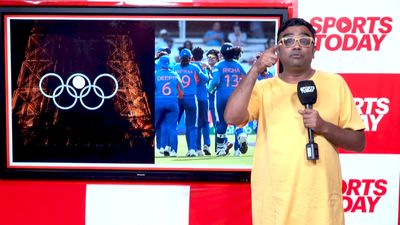
The ICC has rolled out a detailed but complex system for how cricket teams will qualify for the 2028 Los Angeles Olympics. Six teams will participate in both the men's and women's T20 events, with qualification decided through a combination of zonal representation and ICC rankings. Five spots will be awarded based on results in ICC events and rankings, while the sixth will be decided by a final Olympic qualifying tournament in 2027. This system ensures global representation from different cricket zones but comes with unique challenges, especially for teams like the West Indies.
ADVERTISEMENT
The qualification process includes a combination of existing ICC events and T20 rankings, where winning certain events or ranking high can secure Olympic berths. The host nation, USA, must also meet ranking criteria to qualify automatically. For the women's teams, Australia, India, South Africa, and Great Britain have already qualified through their zones, with the USA still needing to meet ranking conditions.
The system is particularly complicated by the status of the West Indies, who represent multiple Caribbean nations and are not recognized as a single National Olympic Committee by the IOC. This means the West Indies as a team cannot qualify directly for the Olympics. Instead, a separate Caribbean qualifier will be held to determine which individual nation will progress to the Olympic qualifier event. Seven teams from rankings will join the qualifier tournament to contest the final Olympic spot.
At the Olympics, the six teams will be divided into two groups of three. Teams will play matches within their group and against teams from the opposite group who finished in different positions. The top two teams will compete for the gold and silver medals, while the third and fourth placed teams will contest the bronze medal match. This structure keeps the tournament fast-paced and competitive.
ADVERTISEMENT