





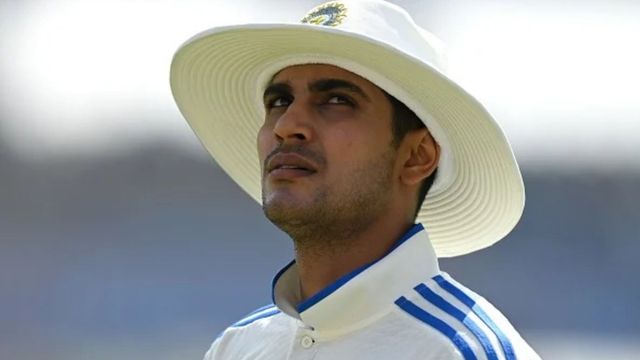
Shubman Gill was left visibly frustrated on the opening day of the first Test against New Zealand after a contentious Decision Review System (DRS) call allowed Glenn Phillips to survive an LBW appeal. The incident, which sparked heated discussion both on the field and among fans, occurred during New Zealand’s first innings at the Basin Reserve, and the Indian captain looked unhappy wirth the decision. The video is now making rounds on the internet, with fans divided in their opinions.
India, having won the toss and elected to bowl first under overcast conditions, made early inroads into the New Zealand batting order. Jasprit Bumrah claimed key early wickets, helping reduce the hosts to a vulnerable position as the opponents were dominated in the attack. By the 31st over, with Phillips at the crease, Bumrah produced a delivery that jagged back sharply and struck the batter on the pads. The Indian players appealed strongly for LBW, but on-field umpire Richard Illingworth ruled not out.
Watch: Shubman Gill clashes with umpire after controversial DRS decision in India vs New Zealand first Test
Gill consulted with Bumrah before deciding to review the decision, but he was caught in an animated conversation with the umpire. Reports indicated that Bumrah expressed concern that the ball might have been too high, while Gill believed there had been no contact with the bat. According to the replays shown on the big screen, it created further debate. A clear spike was available as the ball passed near the bat, yet the front-on camera appeared to show daylight between bat and ball.
The third umpire examined multiple angles, including slow-motion footage, and concluded there had been a slight inside edge onto the pad. He upheld the on-field not-out decision. Meanwhile, Gill was unconvinced, and his frustration was visible in several viral videos on the internet. He approached Illingworth and engaged in an animated conversation, gesturing to indicate a gap between bat and ball and suggesting the ball had struck the pad first. The Indian captain’s displeasure was clear to spectators and television viewers.
Decision costs India
The decision proved costly for India in the short term. Phillips, who was on a relatively low score at the time of the appeal, went on to play a valuable innings and contributed to a substantial recovery partnership with Henry Nicholls. By later stages of the day, New Zealand had consolidated, with both batters registering half-centuries as the score climbed past 200 for the loss of five wickets.
This was not the only DRS talking point of the day. Earlier, Gill had opted against reviewing a potential caught-behind chance against Rachin Ravindra despite interest from wicketkeeper Rishabh Pant, a decision that also drew scrutiny once replays suggested an edge may have been present. As the first Test continues, the focus will shift back to on-field performances. India will look to break the Nicholls-Phillips partnership and restrict New Zealand’s total, while the hosts aim to build a competitive first-innings score on a Basin Reserve surface that has offered something for the bowlers.
ALSO READ: Tom Latham’s early exit equals unwanted record as India strike first blow in Wellington; joins Virender Sehwag