





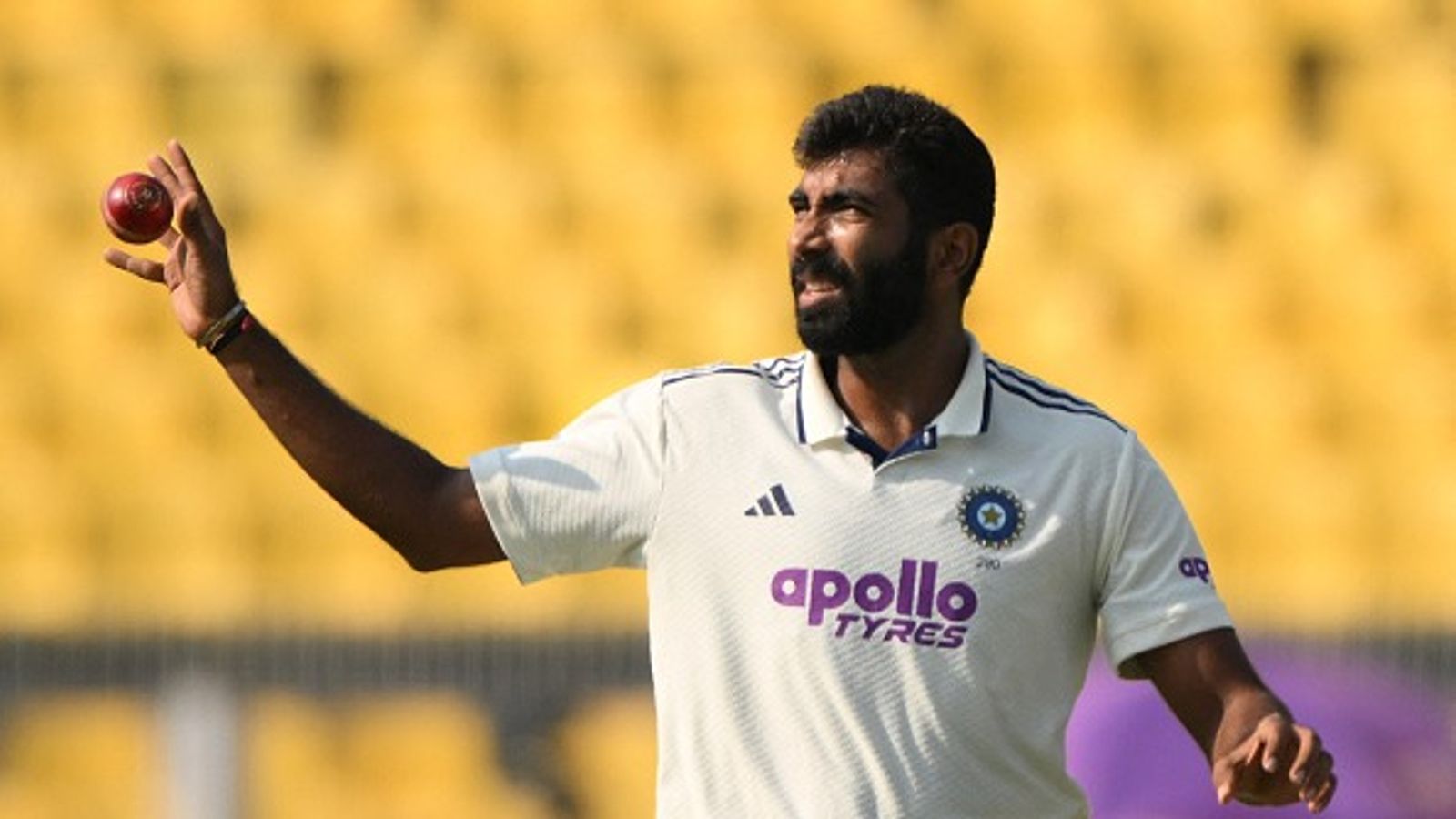
Led by Ajit Agarkar, the BCCI selection panel is reportedly keen on having Jasprit Bumrah feature in a red-ball match, either in the Ranji Trophy or for India A, prior to the New Zealand Test opener. Mindful of his delicate injury history, officials prefer testing the star pacer’s match readiness in domestic long-format cricket rather than thrusting him straight into the intense demands of the Test arena.
Jasprit Bumrah likely to feature in Ranji Trophy match
The core issue around Jasprit Bumrah's red-ball return stems from a brutal physical truth: fast bowlers risk major breakdowns when thrust directly into five-day Test matches after bowling short T20 spells. With crucial red-ball series on the horizon, Indian selectors are adamant that their pace spearhead must undergo a real-time trial in first-class cricket, primarily driven by concerns over how his surgically repaired knee will cope with the workload.
ALSO READ: India to play T20I match against Japan for first time ever on this date, know all details here
Having been absent from long-format cricket for almost ten months since late 2025, Bumrah’s body has only been exposed to short-form intensity. Even though the Centre of Excellence has put him through simulated match scenarios, the relentless strain of bowling extended spells over multiple days involves physical demands that white-ball drills cannot replicate.
This leaves team strategists facing a complex puzzle in a congested calendar. However, the verdict remains firm: Bumrah needs to bowl genuine overs in a competitive red-ball match—be it a Ranji Trophy fixture or an India A tour match in New Zealand—before he can be considered for Test selection.
Rushing a key fast bowler back into Test cricket without adequate long-form conditioning is a recipe for disaster. The sudden leap from bowling four overs in T20s to delivering over twenty overs across multiple hot afternoon sessions places massive structural strain on a pacer's joints.
Complication behind thrusting Bumrah straight into red-ball action
Reportedly, the selection process emphasise that the board must be fully convinced of his knee's durability in a first-class setting before clearing him for a demanding overseas Test tour. Controlled practice environments at the CoE can only simulate so much; they fall short of replicating the grueling physical and mental strain of a third-day Test spell. Without seeing him navigate that pressure in a real match, picking Bumrah remains a high-stakes gamble, and this scheduling puzzle is just one aspect of a larger dilemma.
Fitting a long-format fixture into Bumrah's tight schedule presents a major logistical challenge. Because the international calendar is packed with back-to-back commitments, Indian cricket officials are stuck choosing between domestic appearances and conflicting national duties.
ALSO READ: Bumrah faces fitness test ahead of Afghanistan T20Is as THIS player emerges as backup option
Sending Bumrah to New Zealand with the India A squad directly overlaps with the senior national team's white-ball series. On the other hand, inserting him into a domestic Ranji Trophy match means taking him out of the main team's short-form setup just as squad dynamics are settling. It creates an awkward scheduling headache, yet administrators have little choice if they want their top fast bowler match-fit for an overseas Test series.
This frantic hunt for a single warm-up game exposes a deeper issue: a lack of depth behind India's main pace attack. Relying so heavily on whether one injury-prone bowler can handle a four-day domestic game reveals that the system hasn't effectively developed a dependable alternative for long-format cricket.
Continually creating custom recovery paths and special fitness tests every time a major Test series approaches highlights the limits of current workload management. If a lead fast bowler needs an entire tailored setup just to confirm he can withstand multi-day cricket, it may be time to acknowledge that his body can no longer handle the grueling demands of a full red-ball schedule.