

 Home
Home

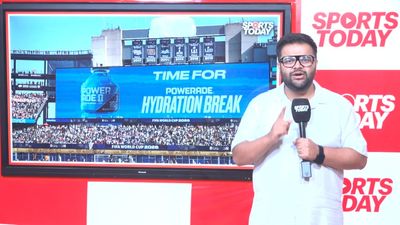
These breaks, officially intended to protect player welfare, have become a controversial issue during the World Cup. Many fans and experts criticize how these pauses effectively divide the match into four quarters instead of the traditional two halves. What began as a measure to ensure player safety, especially in hot weather, is now seen by some as a commercial opportunity for broadcasters to insert advertisements. Interestingly, the late Argentine legend Diego Maradona predicted this development back in 2018 after north american countries were announced as hosts for the 2026 World Cup.
ADVERTISEMENT
Maradona foresaw that the game would be split into multiple breaks to allow more advertising slots, a prediction that has proven quite accurate. The actual hydration breaks occur about the 23rd minute and again around the 70th minute, breaking the game into quarters from the traditional halves. This change has met with widespread criticism from fans who feel it disrupts the natural flow and experience of football matches, which are known for their continuous play without commercial interruptions.
Former England footballer Stan Collymore also weighed in on the controversy, sharing his views on social media. He argued that hydration breaks do not improve performance, as players usually get enough water during natural breaks or halftime. Collymore emphasized that these scheduled pauses are unnecessary from a player's perspective and can interfere with the game’s rhythm. Even within the footballing community, many players and managers have expressed disagreement with the breaks.
Thomas Tuchel, the England manager, commented that hydration breaks alter the identity of football matches more than he expected. Despite his experience managing top teams like Bayern Munich and Chelsea, Tuchel noted how significantly these breaks disrupt momentum and the natural flow of play. Similarly, Didier Deschamps, the France manager and former world cup winner, openly called it an advertising break, acknowledging the financial benefits for broadcasters while lamenting how such pauses change the game’s dynamics.
These hydration pauses have been implemented consistently throughout the tournament, including group stages and upcoming matches. Critics argue that while hydration breaks may be justified in extreme heat, their widespread application—even during cooler matches—suggests a shift towards broadcast revenue priorities over player welfare. This situation raises the critical question of whether fifa’s policy truly serves players or caters more to commercial interests, echoing Maradona’s early concerns.
ADVERTISEMENT