





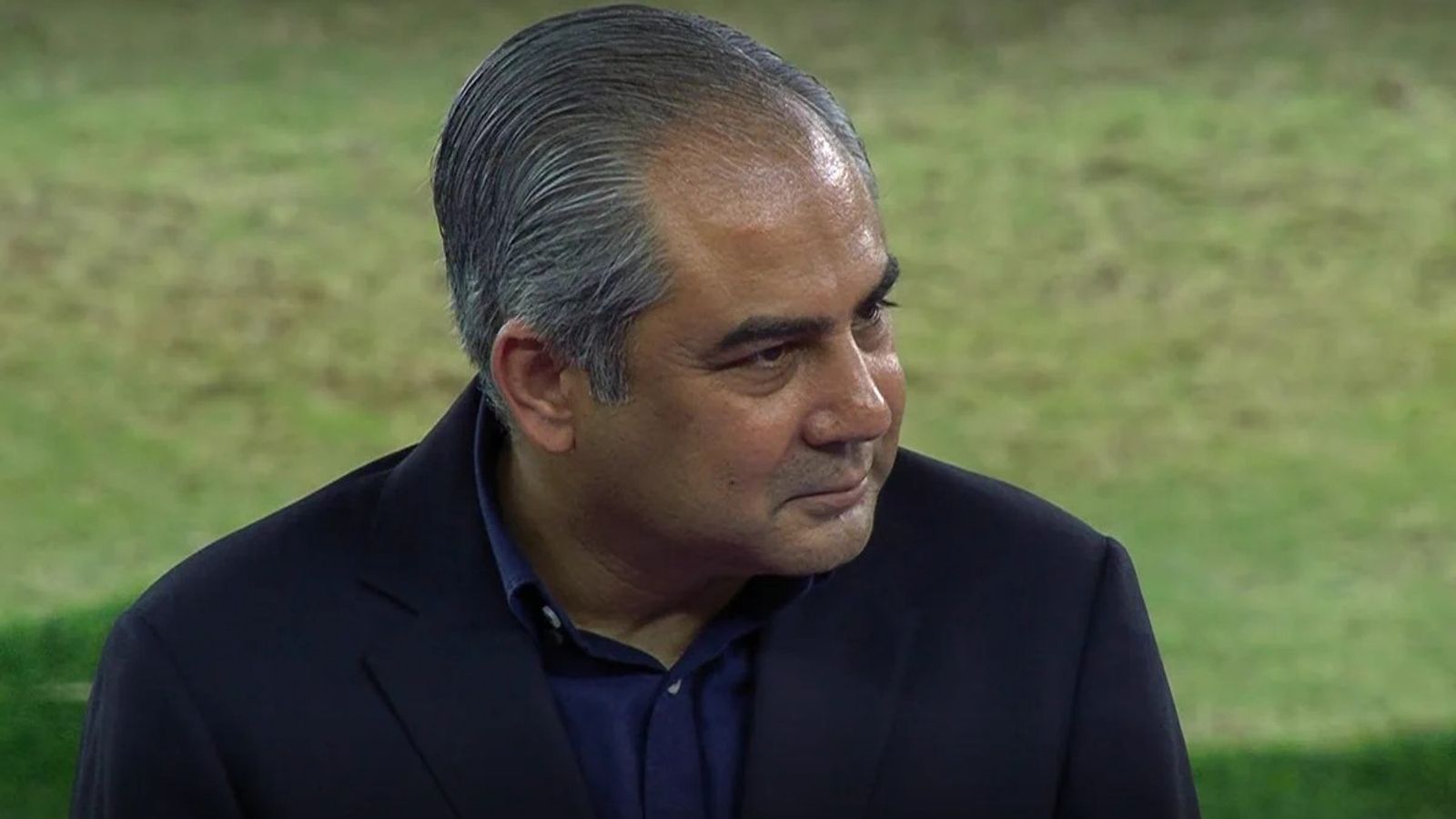
Following the high-drama conclusion of the Women’s Asia Cup 2026 final in Dubai, Asian Cricket Council (ACC) president Mohsin Naqvi abruptly departed the venue after Harmanpreet Kaur’s victorious Indian squad declined to receive the trophy from him. The snub stems directly from the ongoing political friction between India and Pakistan, placing Naqvi, who also serves as the chief of the Pakistan Cricket Board—at the center of an escalating diplomatic dilemma that has cast a shadow over regional cricket administration.
ALSO READ: EXCLUSIVE: BCCI secretary reveals reason why India refused to accept Asia Cup trophy once again
Why Women's Asia Cup Trophy controversy could cost Naqvi his ACC crown?
This latest standoff appears to have permanently derailed Naqvi's leadership prospects within the council. Although his current term runs through April 2027 and board bylaws permit a potential extension, key stakeholders report that he lacks the necessary backing from member delegates. With the BCCI standing firm and wider ACC membership growing weary of how the cross-border disputes are damaging the organization's public image, an extension for Naqvi seems all but out of the question.
India again refuse to accept Asia Cup trophy from Mohsin Naqvi's hands
The precedent for this standoff was established during the 2025 Men’s Asia Cup, when the Indian national team declined to receive the championship trophy from Mohsin Naqvi. That action came in the immediate aftermath of the Pahalgam terror attack, which resulted in the deaths of several Indian civilians. In response to the snub, Naqvi retrieved the silverware and departed without making the presentation, drawing widespread public and media criticism for his handling of the ceremony. A nearly identical scene unfolded following the Women’s Asia Cup 2026 final, where Harmanpreet Kaur’s side defeated Sri Lanka to secure the title.
Under directives from the Board of Control for Cricket in India (BCCI), the women’s team similarly refused to accept the trophy directly from Naqvi. The situation led to the complete abandonment of the post-match ceremony, leaving players without their medals or the trophy after the ACC chief withdrew with the award once again. The fallout from the Pahalgam incident has systematically altered diplomatic protocols on the field. Starting in 2025, customary pre-match toss handshakes and post-game exchanges between Indian and Pakistani captains were abandoned—a practice that quickly extended across all international age levels and women's squads. These strained relations reflect a broader, long-standing freeze in bilateral cricket ties, which have been halted since 2013. As a result, the two nations encounter each other exclusively during multi-team ICC and ACC events, where India has maintained a dominant record in both ODI and T20 formats in recent years.